
When bending short thick plates, machine capacity is only one part of the equation. The way a press brake is configured can have a direct effect on how the workpiece is positioned, how the bending load is handled, and how consistently the required shape can be produced.
This becomes especially important when the bend length is relatively short but the plate is thick and heavy. In this type of application, the machine is exposed to a more concentrated bending load than it would be during typical sheet metal work.
For this reason, a dedicated heavy plate bending press should be configured around the actual bending application rather than simply selected by nominal tonnage.
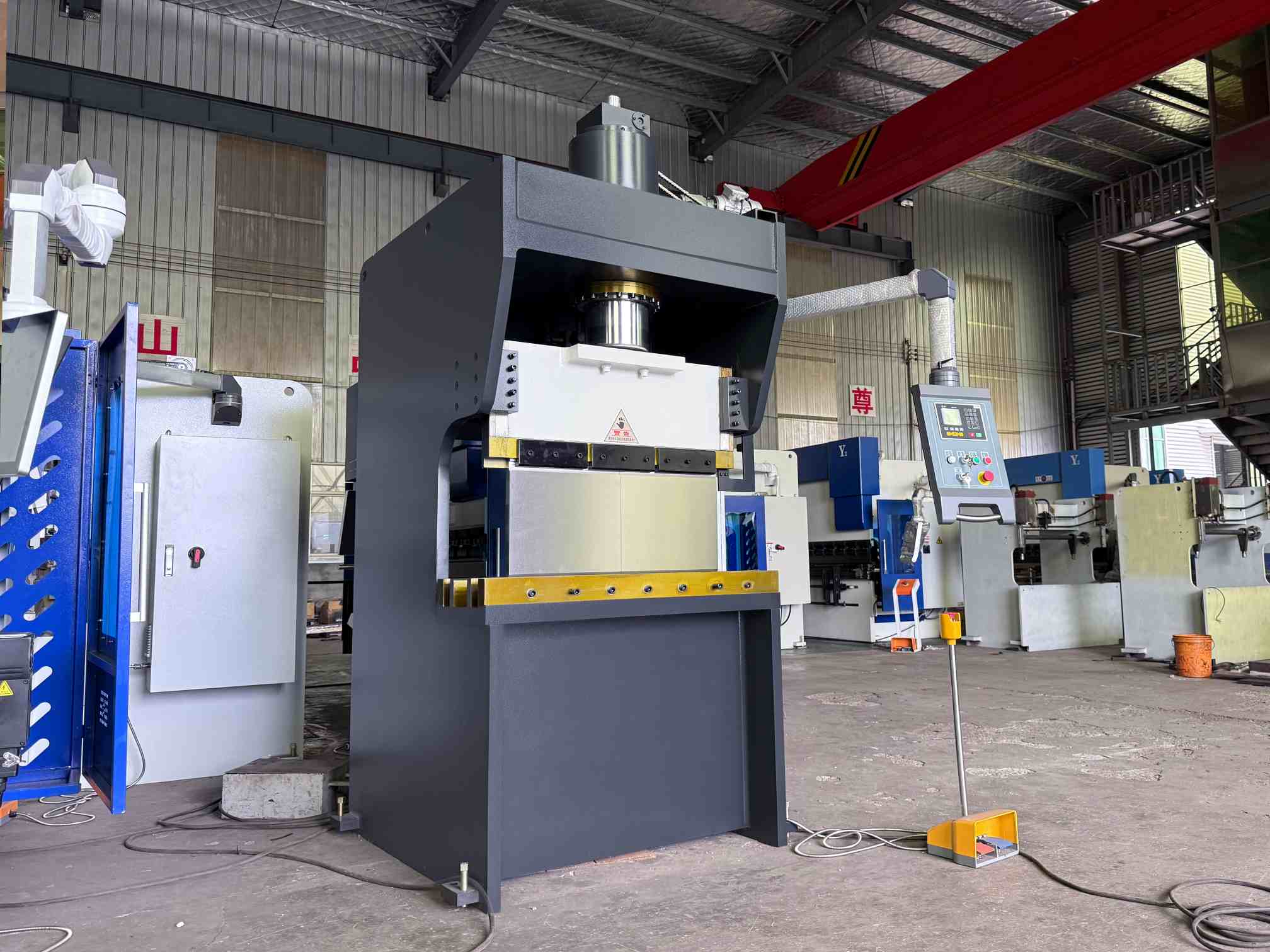
The frame is the foundation of the entire bending process.
During short thick plate bending, a large amount of force can be concentrated within a relatively small working area. A suitable machine therefore needs a rigid frame that can maintain its geometry under load.
This does not mean that a heavier machine is automatically better for every application. The important point is that the frame structure should be appropriate for the expected material thickness, bending length, and working conditions.
For workshops processing short and heavy components repeatedly, structural stability can be more important than simply having a very high nominal capacity.
A longer working length is not always an advantage.
For conventional sheet metal production, a long working length provides flexibility for processing different sizes of parts. However, short thick plates have different requirements.
If most of the workpieces are relatively short, a compact working area can be more closely matched to the actual production range. This can help keep the machine focused on its intended application instead of increasing the machine size simply to accommodate occasional oversized parts.
The right question is not:
“How long is the press brake?”
It is:
“What is the typical bending length of the parts we actually produce?”
This distinction can make a significant difference when selecting dedicated equipment.
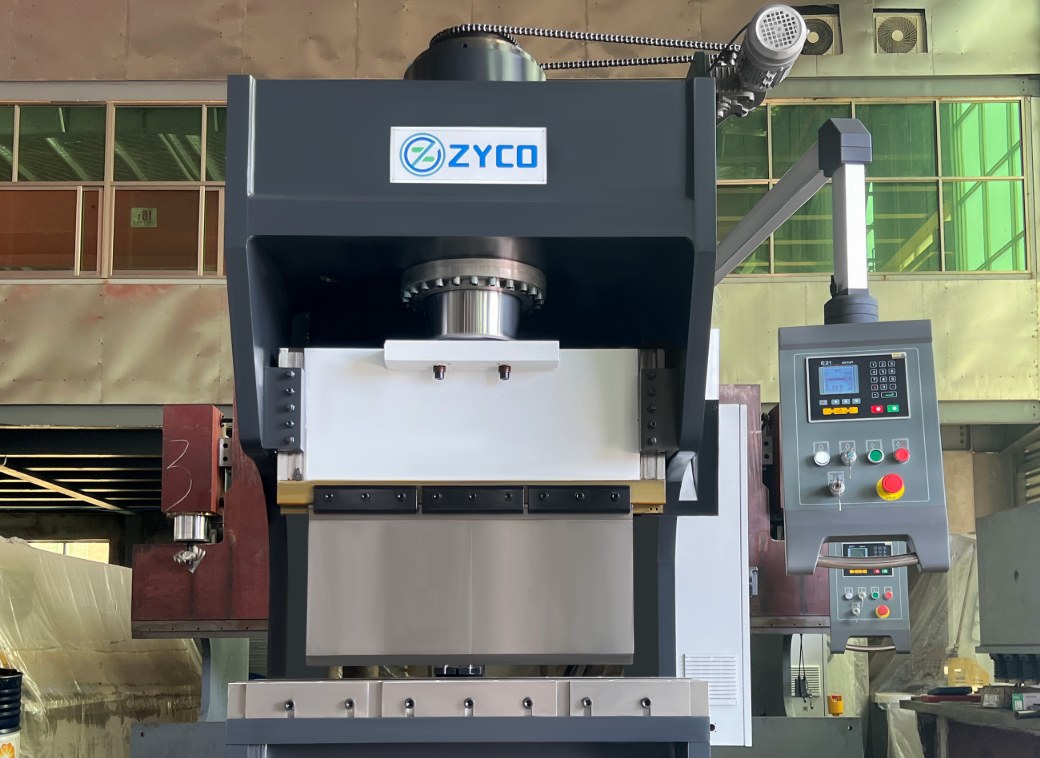
The working table and slide form the main bending zone. Their relationship affects how the workpiece is supported and how the bending force is transferred through the machine.
For short thick plates, the bending area may carry a high load over a relatively short distance. The working table therefore needs to provide stable support, while the slide needs to maintain controlled movement during bending.
A suitable configuration should also consider the size and weight of the workpiece. Thick plates can be difficult to position manually, so the working area should allow the operator to place and align the material without creating unnecessary handling problems.
In practice, machine configuration is not only about force. It is also about how easily the operator can control the workpiece during the bending process.
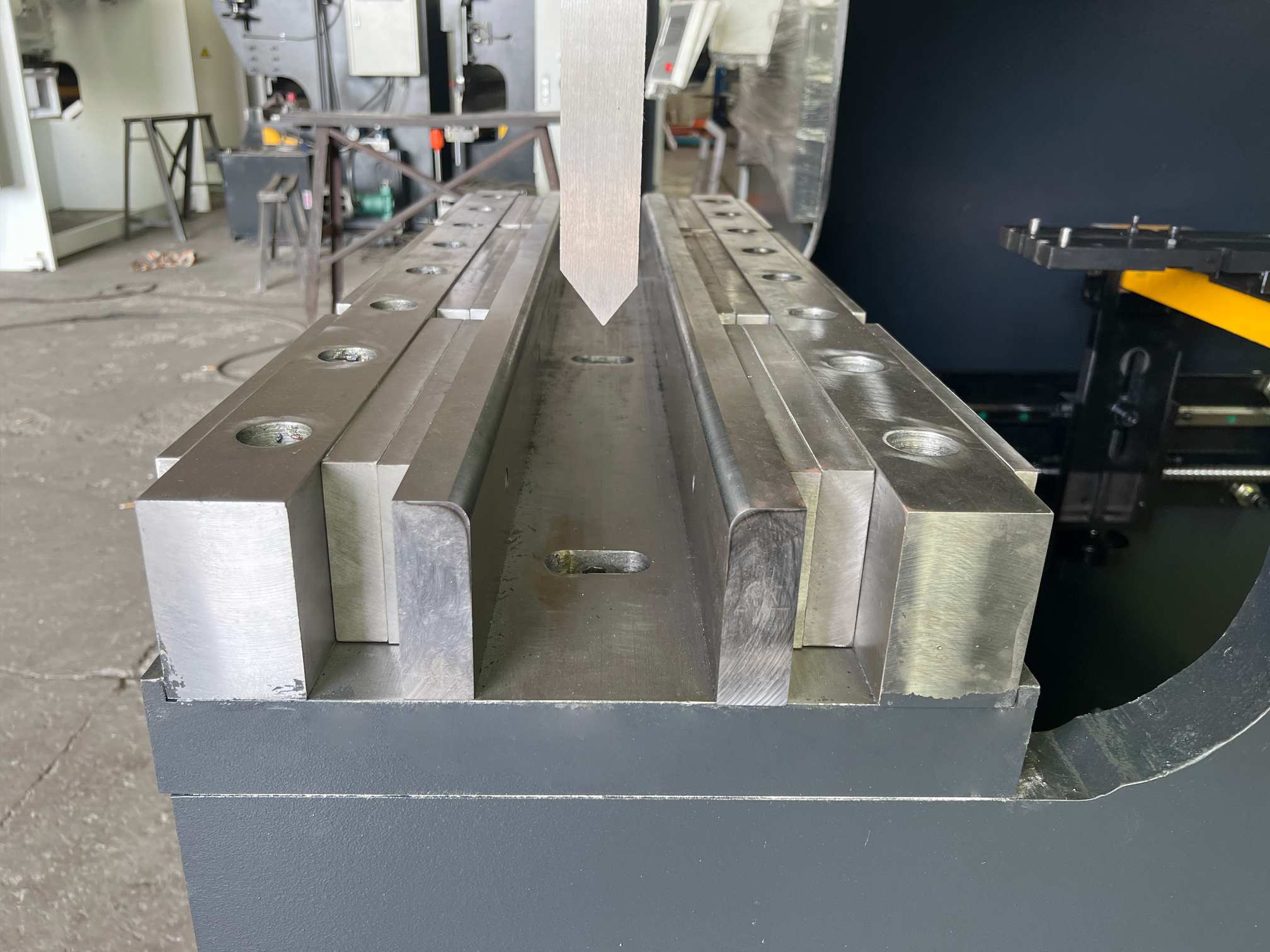
Tooling should be selected according to the material and geometry of the workpiece.
For short thick plates, the die opening, punch shape, tool strength, and contact area can all influence the bending process. Using tooling that is not suitable for the required load can limit the practical capability of the machine even when the machine itself has sufficient capacity.
This is why tooling should be considered during machine selection rather than treated as an accessory added later.
For recurring heavy plate applications, dedicated tooling can also help make production more consistent by reducing unnecessary setup changes.
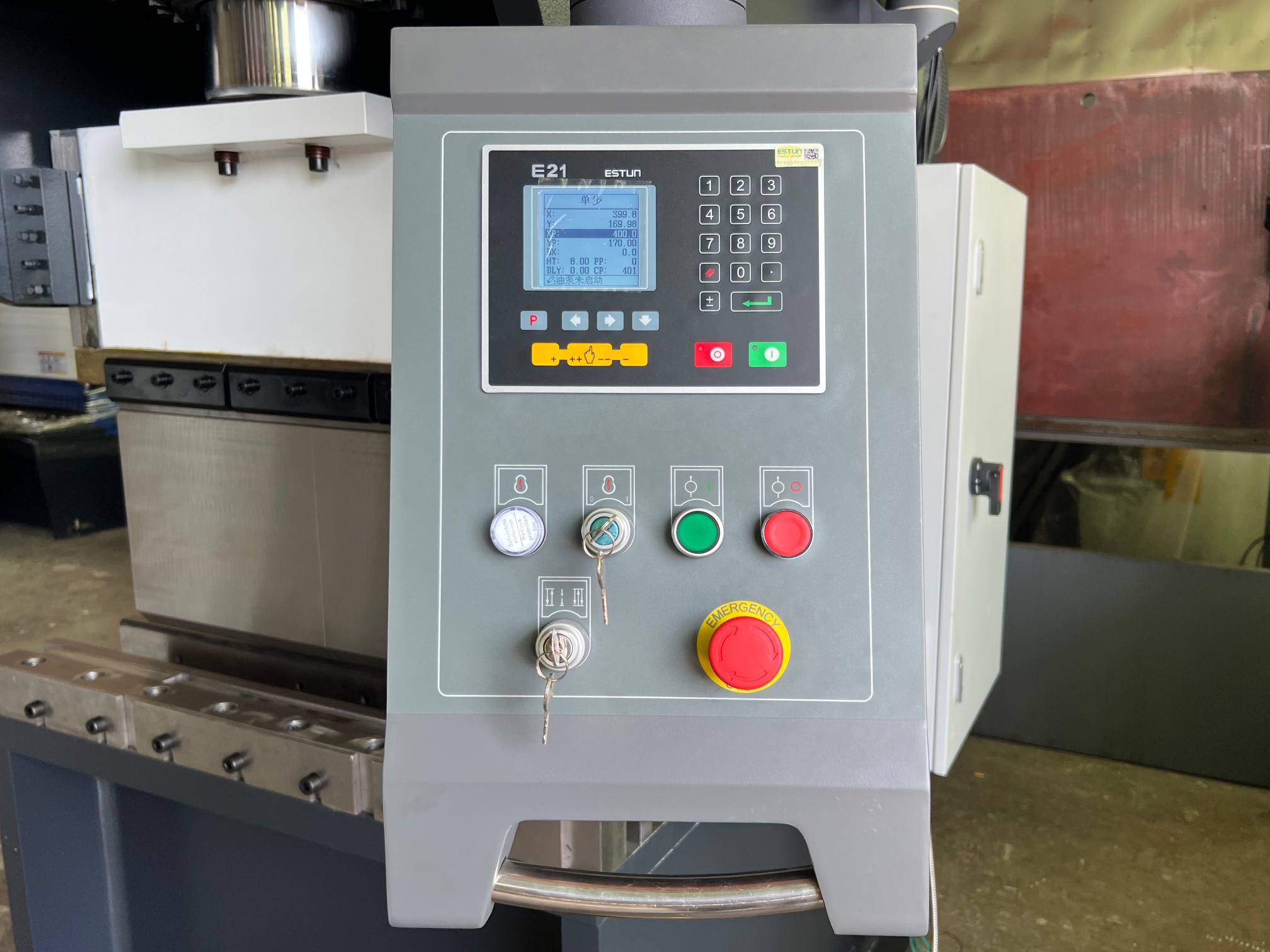
A control system should match the complexity of the work being produced.
If the workshop mainly handles relatively simple heavy components with repeatable bending sequences, the control requirements may be different from those of a high-mix sheet metal production line.
The objective is not to add as many functions as possible. It is to provide the level of control that operators actually need for the application.
For a dedicated heavy plate bending press, a practical control configuration can help operators set up repeat jobs more efficiently while maintaining consistent bending conditions.
One of the most common mistakes in machine selection is looking at tonnage first and everything else second.
For short thick plate bending, the actual working condition depends on several factors:
· Material type and thickness
· Bend length
· Part geometry
· Required bending angle
· Inside bend radius
· Tooling configuration
· Workpiece weight and handling
· Production frequency
These factors interact with each other.
A machine with high tonnage but unsuitable tooling or an inappropriate working area may not be the best choice for a particular job. Conversely, a compact machine with a configuration designed around the actual application can be a more practical production solution.
There is no single configuration that is ideal for every short thick plate bending job.
A workshop producing structural brackets may have different requirements from a manufacturer producing heavy machinery components. A truck and trailer manufacturer may also need a different working arrangement from a general fabrication shop.
This is why drawings and actual production information are valuable when selecting a dedicated bending machine.
Instead of starting with:
“Which machine has the highest capacity?”
it is often more useful to start with:
“What are the parts we need to bend, and what machine configuration will handle them reliably?”
Once the application is clear, the machine structure, working length, tooling, control system, and other configuration choices can be evaluated around that requirement.
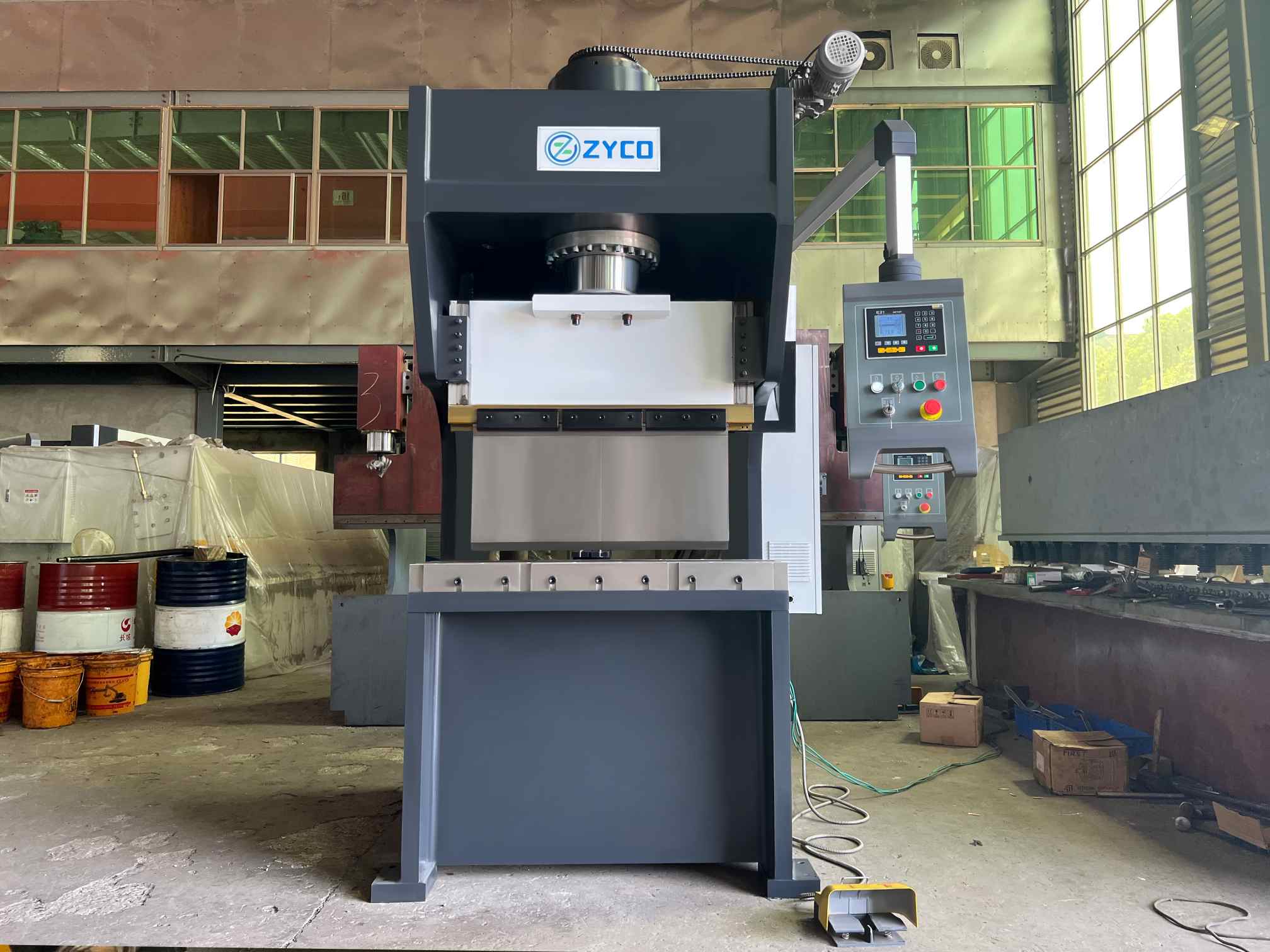
The purpose of a compact heavy plate bending press is not to replace every press brake in a workshop.
In many production environments, the main press brake is already busy processing long sheets, standard parts, and high-volume sheet metal work. Short thick components can interrupt this workflow because they require different tooling, handling methods, and bending conditions.
A dedicated machine creates another option.
The main press brake can remain focused on general sheet metal production, while the compact heavy plate bending press handles recurring short thick plate jobs.
This separation can make sense when heavy bending has become a regular part of production rather than an occasional requirement.
Machine specifications are useful, but they should come after understanding the workpiece.
A short thick plate with a simple bend may require a very different configuration from a complex heavy component with multiple bending operations. Material properties, geometry, production quantity, and handling conditions can all influence the final machine selection.
For this reason, there is no need to choose a machine simply because its specifications appear larger than necessary.
The more useful approach is to match the machine to the actual bending conditions.
The right configuration is not the one with the most features. It is the one that fits the work you need to produce.
In the next article, we will look more closely at the actual applications of the ZYCO Compact Heavy Plate Bending Press and the types of short thick components it is designed to process.

귀하의 이메일 주소 및 요구 사항을 남겨두면 전문 영업 팀이 가장 적합한 솔루션을 개발할 것입니다.


저작권
© 2026 Nanjing Zyco CNC Machinery Co., Ltd. 모든 권리 보유
.
 네트워크 지원
 한국의
한국의 English
 français
 Deutsch
 italiano
 русский
 português
 español
 Türkçe
 العربية